What Contractors Should Know Before Scheduling a Large Concrete Pour
Planning a Large Concrete Pour: What Contractors Need to Know
A successful large concrete pour depends on decisions made well before the first truck arrives. You need to define the concrete requirements, verify site readiness, plan equipment access, coordinate delivery intervals, and prepare the crew for uninterrupted placement.
Scheduling too early can leave you paying for delays while final preparations are completed. Scheduling without enough detail can also create gaps between loads, congested access points, or concrete arriving faster than your crew can place it. A pre-scheduling review helps you identify these problems while there is still time to correct them.
Define the Pour Before Reserving Delivery
Your concrete supplier needs accurate project information to recommend the right delivery plan. Start with the estimated yardage, engineered mix specifications, placement method, anticipated placement rate, and preferred pour date.
Review the drawings and project specifications before placing the order. Confirm the required compressive strength, aggregate requirements, air content, and any specified admixtures. The project engineer’s specifications should guide these decisions. If several sections require different mixes or strengths, clearly separate them in the delivery plan.
Your quantity estimate should account for the dimensions of the placement, changes in slab thickness, footings, grade variations, and a reasonable allowance for waste. Bos Concrete also offers a concrete calculator that can help with preliminary estimates, but project drawings and field measurements should be checked before the final order is placed.
Large pours also require a realistic assessment of crew capacity. The number of finishers, available equipment, placement method, and complexity of the work all affect how quickly your team can receive and place each load.
Confirm the Subgrade & Forms Are Ready
Subgrade, reinforcement, and formwork should be ready before concrete delivery is confirmed. A truck waiting while the crew completes site preparation can interrupt the delivery sequence and add unnecessary pressure to the placement.
Verify that the subgrade has been prepared and compacted according to the project requirements. Soft areas, standing water, frozen material, or inconsistent elevations should be corrected before the pour. Forms need to be secure, properly aligned, and capable of holding the concrete without shifting. Reinforcement, embeds, sleeves, anchor bolts, and vapor barriers should also be in their final positions.
Complete required inspections before delivery day whenever possible. Waiting for an inspection while concrete is already in transit can lead to serious scheduling problems.
A practical pre-pour review should confirm:
- Subgrade preparation and elevation
- Form placement and bracing
- Reinforcement and embedded items
- Required inspections and approvals
- Crew assignments and finishing equipment
- Lighting and safety provisions for early or extended work
- Curing materials and protection supplies
The goal is to reach a true ready-to-pour condition before dispatch begins, not simply to be close enough that the crew expects to finish while the first truck is on its way.
Plan Truck Access & Staging
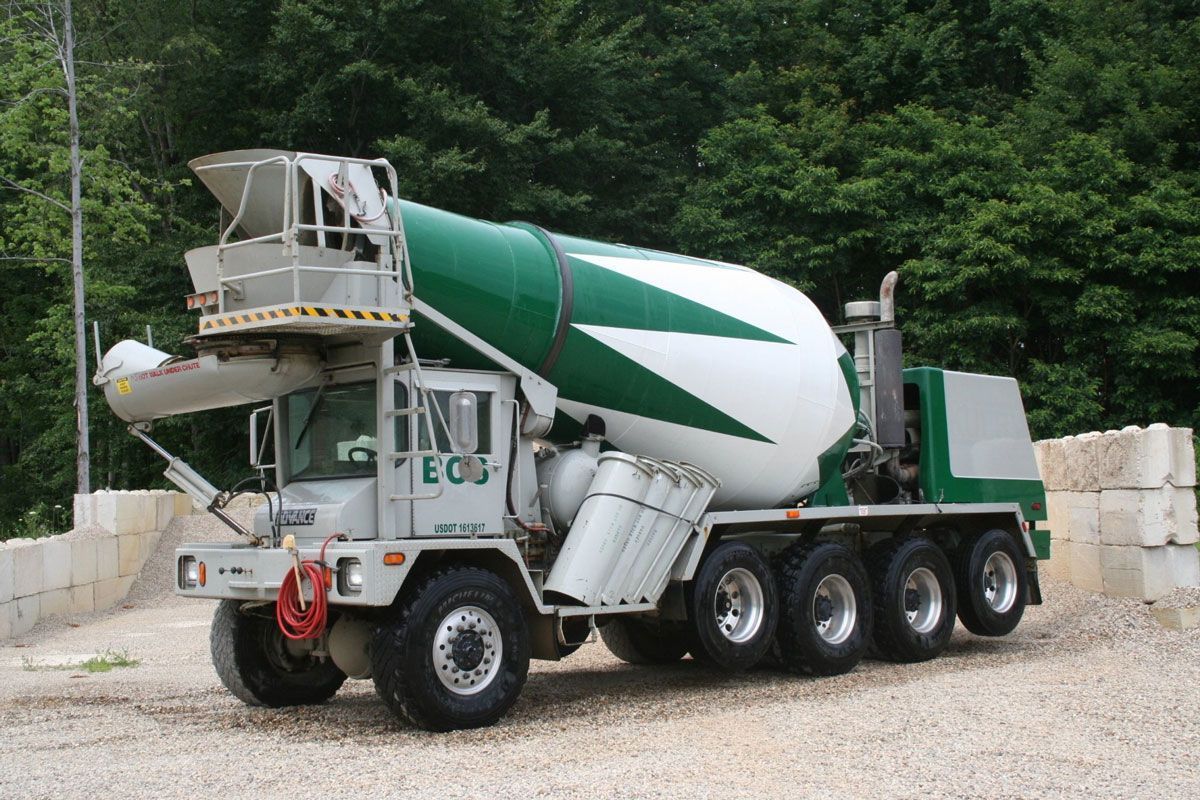
Concrete trucks need a safe and stable route into, through, and out of the job site. Review truck access before scheduling so narrow entrances, weak surfaces, overhead restrictions, tight turns, and active construction traffic do not interfere with delivery.
Identify where each truck will enter, wait, discharge, and exit. The route should be capable of supporting loaded trucks, especially after rain or during seasonal thaw conditions. If other trades, cranes, delivery vehicles, or earthmoving equipment will be active, decide who has priority and how traffic will be controlled.
You also need a designated staging area if trucks may arrive before the placement crew is ready for the next load. The area should keep concrete trucks out of public traffic and away from unstable ground. A job-site contact should be available to direct every driver and respond if access conditions change.
Match Truck Timing to the Placement Plan
Delivery intervals should match the rate at which your crew can place and finish the concrete. If trucks arrive too slowly, gaps can disrupt a continuous placement. If they arrive too quickly, trucks may stack up while the crew struggles to keep pace.
Estimate how long it will take to discharge and place each load under actual job-site conditions. A straightforward slab with easy access may move faster than a heavily reinforced placement, elevated deck, foundation, or congested industrial project. Travel distance between the discharge point and the placement area also affects production.
Choose one person to communicate with Bos Concrete’s dispatch team. That contact should understand the pour sequence, recognize when the crew is getting ahead or falling behind, and provide clear updates. Multiple people calling with different instructions can create confusion at the plant and on the road.
Before the pour begins, confirm:
- The scheduled arrival time for the first truck
- The planned interval between subsequent loads
- The approximate discharge time per truck
- The person authorized to request timing changes
- The procedure for delays, rejected loads, or changing site conditions
This delivery cadence should be reviewed again on pour day. Even a well-built plan may need adjustment when weather, traffic, equipment performance, or placement speed changes.
Decide Whether Boom Pumping Is Needed
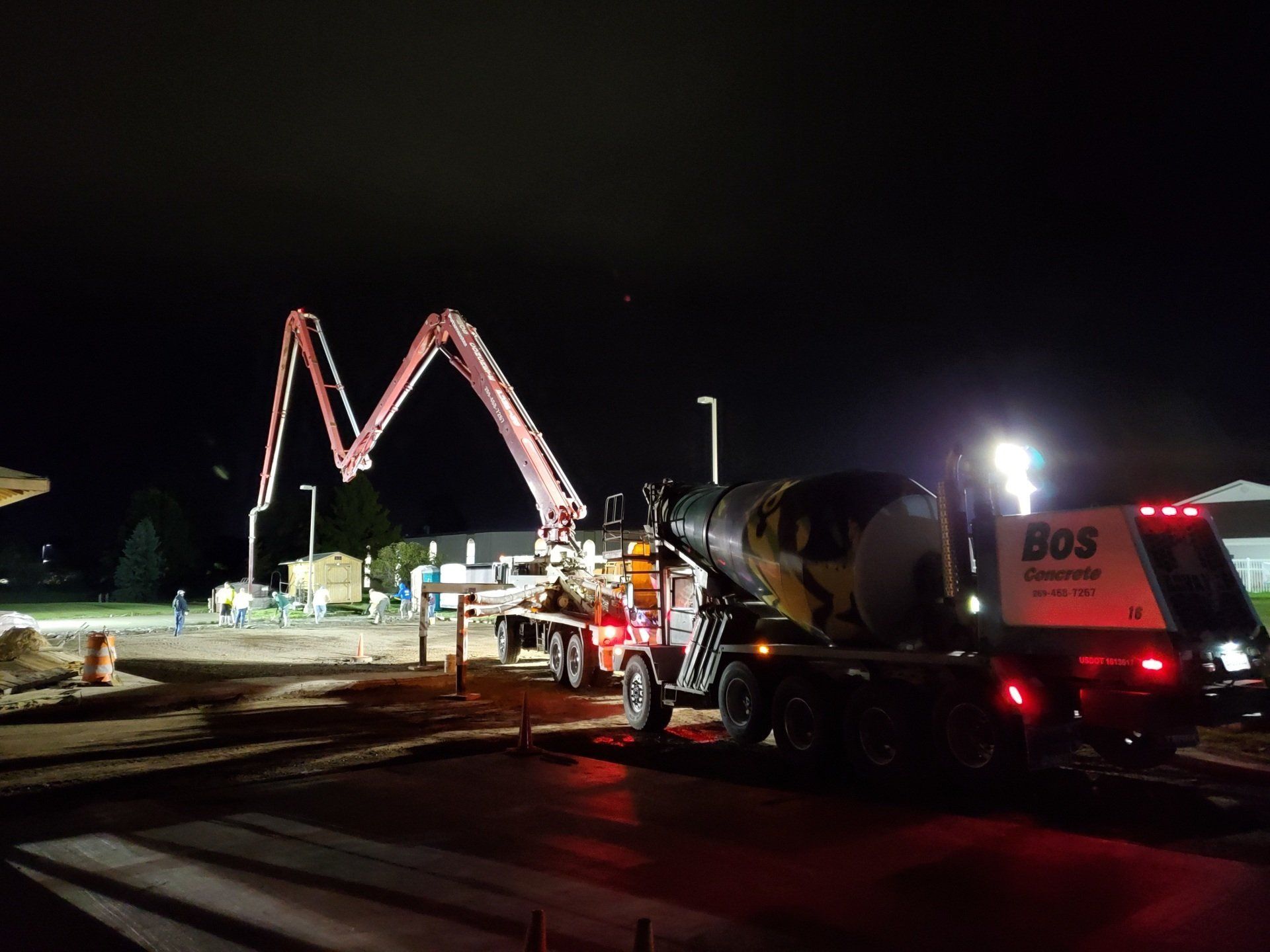
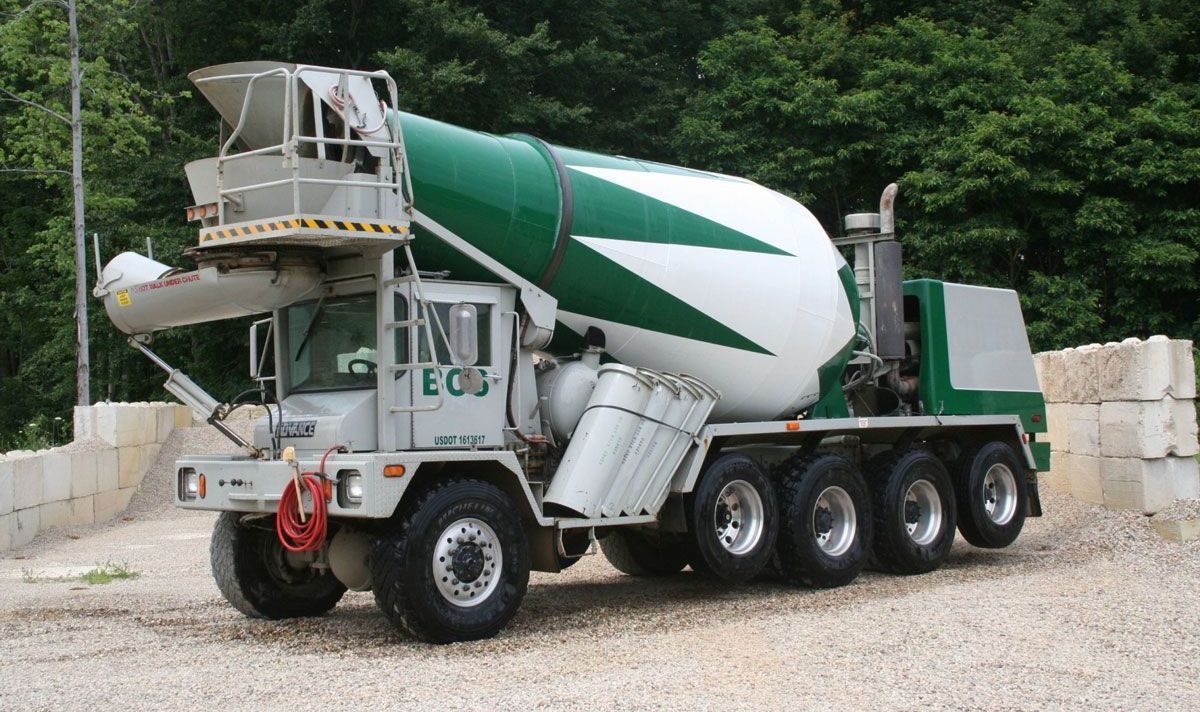
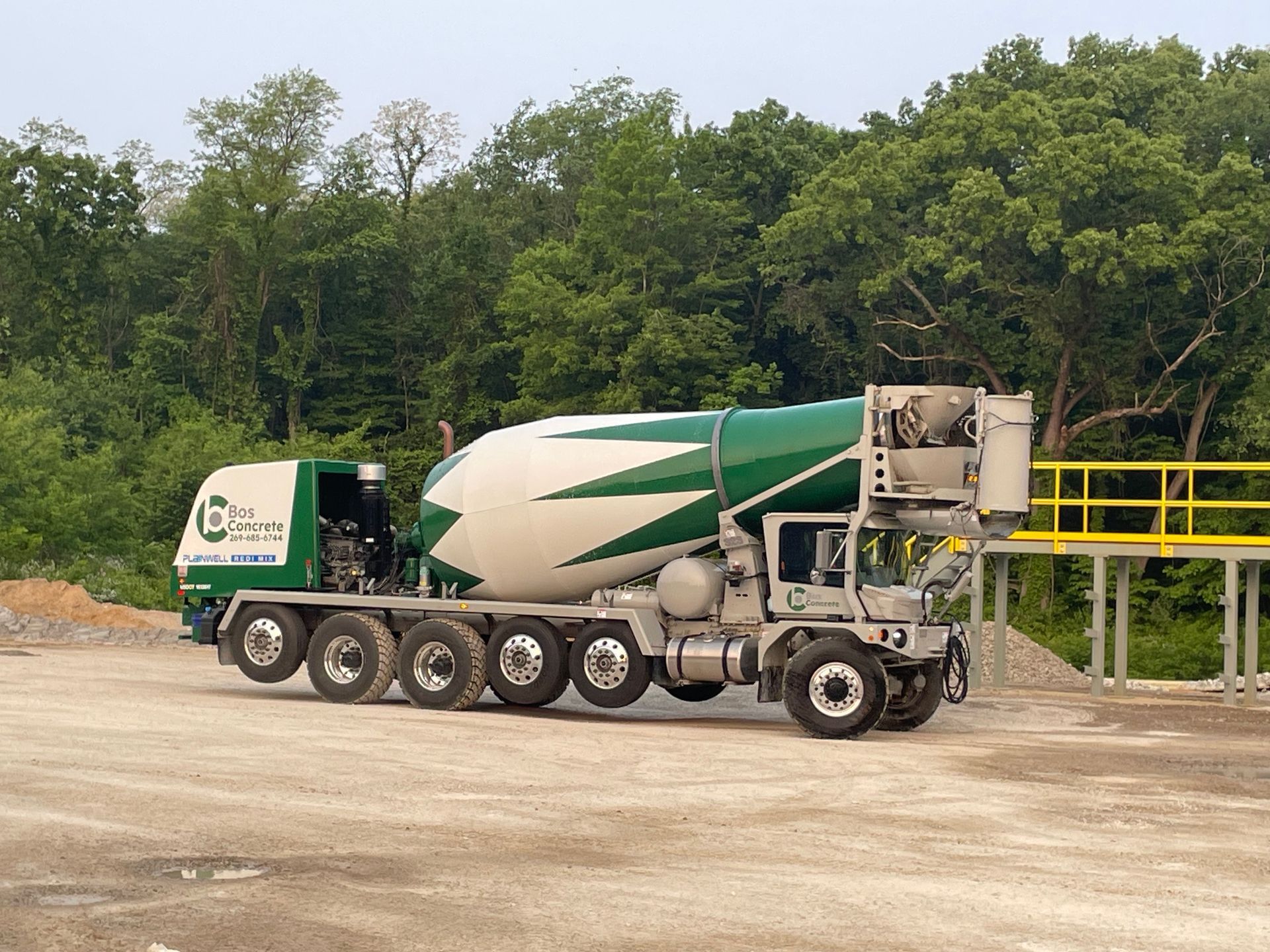
Boom pumping should be arranged when trucks cannot discharge directly where the concrete needs to be placed. It can help reach elevated work, foundations, large slabs, restricted sites, and areas separated from truck access.
Determine the boom pump location before finalizing the delivery plan. The setup area needs adequate space, stable support, safe clearance, and a practical reach to the placement. Nearby structures, overhead utilities, excavations, and active equipment can affect where the pump can operate.
The pump’s placement rate must also be coordinated with truck intervals and crew capacity. Faster placement is only useful when your team can spread, consolidate, screed, and finish the concrete at the same pace. Confirm that the crew understands the sequence and that equipment is ready before pumping begins.
Bos Concrete provides boom pumping for projects throughout Southwest Michigan. Discussing pumping needs while scheduling the ready-mix delivery allows the dispatch, equipment, and placement plans to work together.
Prepare Weather & Contingency Plans
A weather and contingency plan helps you respond quickly if conditions change before or during the pour. Southwest Michigan temperatures, wind, rain, and seasonal ground conditions can affect site readiness, concrete behavior, finishing, and curing.
Check the forecast throughout the days leading up to delivery, but do not rely on the forecast alone. Decide in advance who will make the final weather call and when that decision must be communicated. Confirm what protection will be available if temperatures, wind, or precipitation become a concern.
The contingency plan should also address equipment failures, access problems, labor shortages, inspection delays, and unexpected changes in placement speed. Keep current contact information for dispatch, the site superintendent, the concrete foreman, the pump operator, and other essential decision-makers.
Preparation does not eliminate every delay. It gives your team a clear response when something changes, protecting the delivery sequence and reducing rushed decisions during the pour.
Schedule Your Large Concrete Pour in Kalamazoo and Southwest Michigan
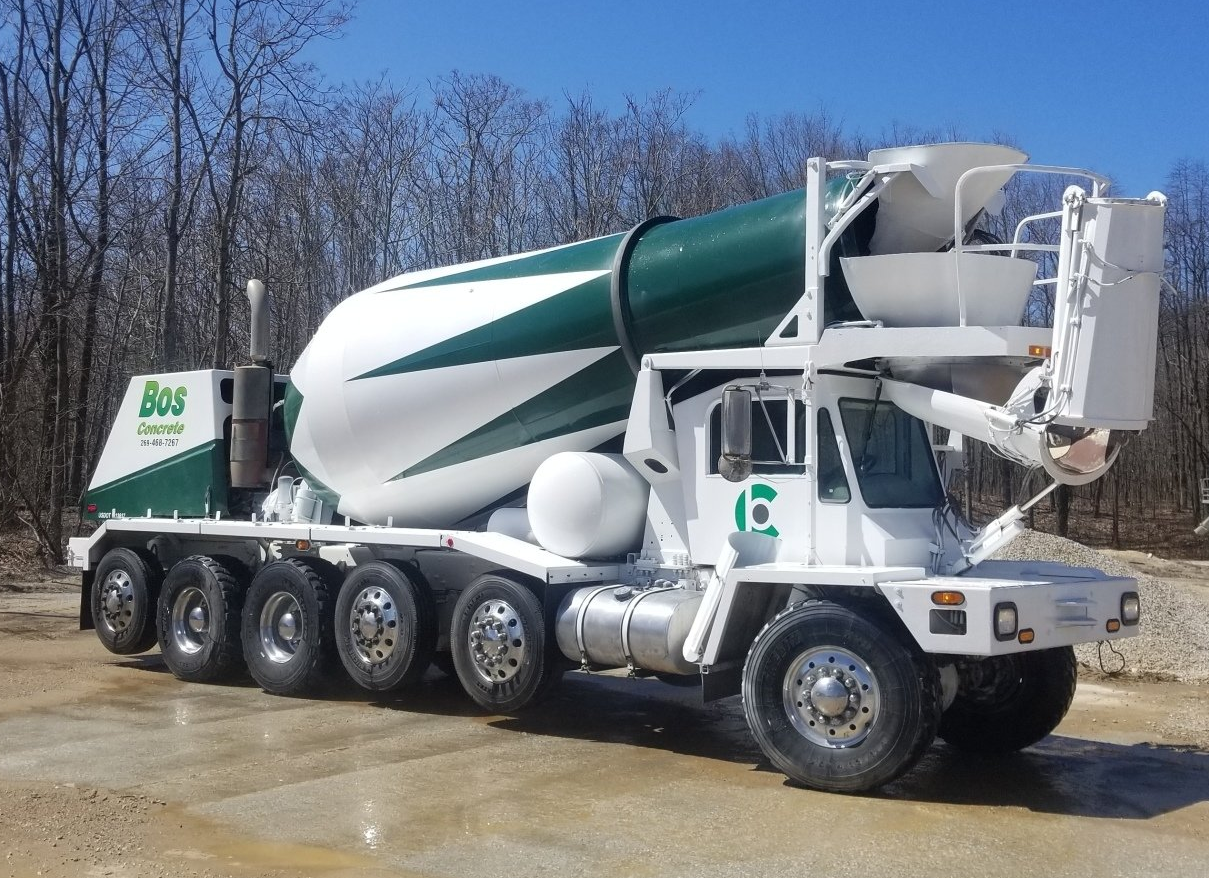
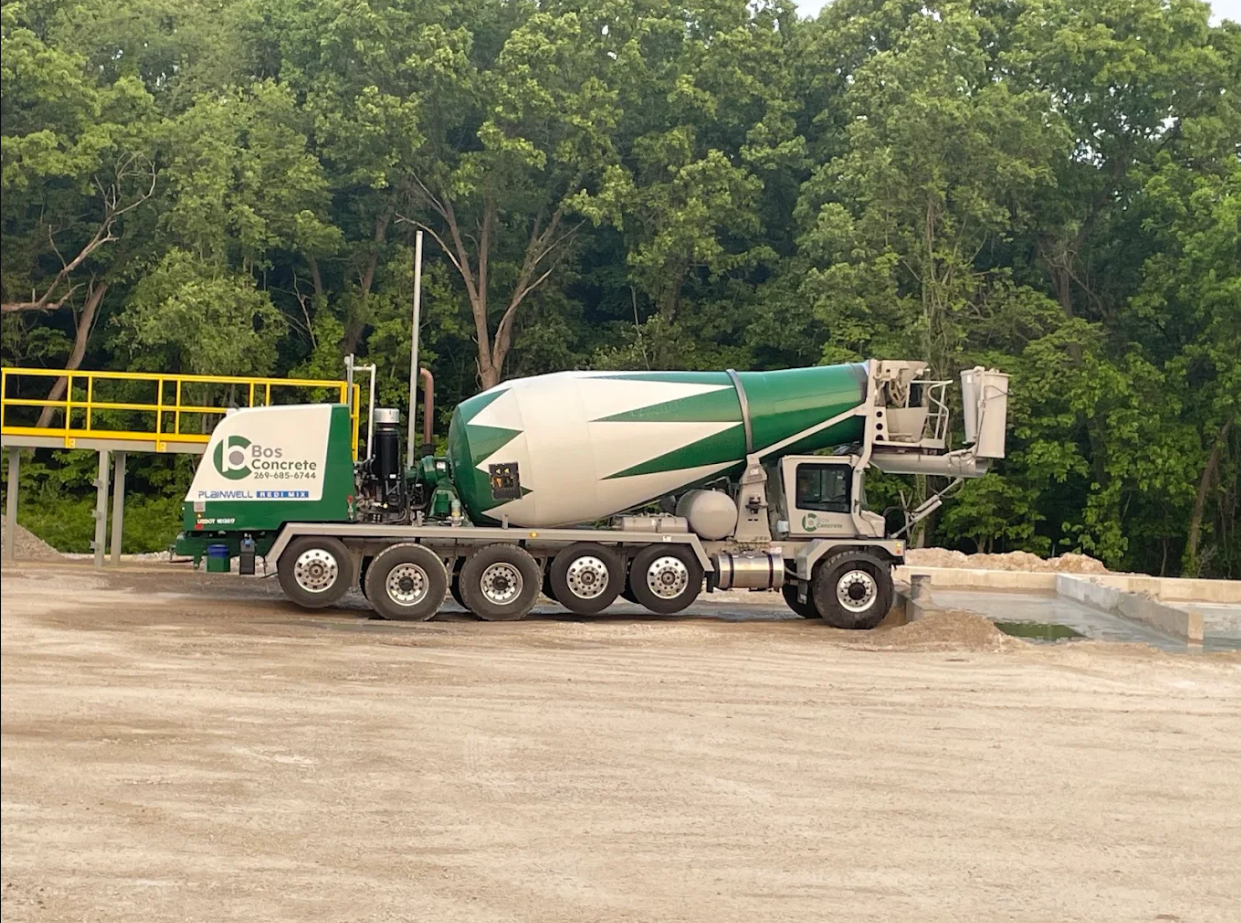
Bos Concrete supplies ready-mix concrete, delivery, and boom pumping for large residential, commercial, and industrial projects across Southwest Michigan. Since 2000, we have helped contractors coordinate concrete requirements with the equipment and delivery capacity needed for demanding placements.
Contact Bos Concrete early to discuss your mix specifications, estimated quantity, site access, delivery cadence, and boom pumping needs. With locations serving Kalamazoo, Benton Harbor, Niles, South Haven, and surrounding communities, Bos Concrete can help you build a delivery plan around the needs of your project.